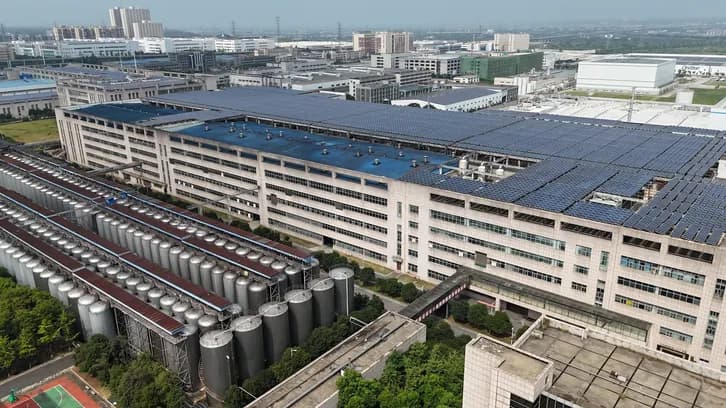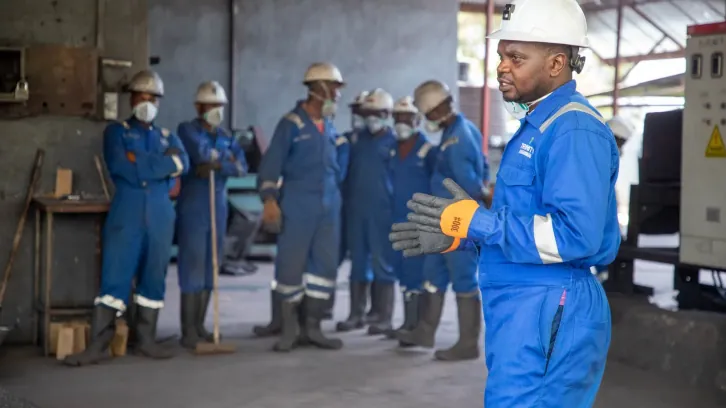

Overview of Air Leak Countermeasures
If you hear a "hissing" sound from the piping, that is a sign of an air leak. Industry data shows that up to 20% of compressor power consumption can be wasted through air leaks, which makes leak countermeasures one of the highest-ROI activities a factory can run. This article walks through the topic in four steps: (1) detect with an acoustic camera → (2) confirm with basic tools → (3) repair on the spot → (4) call in a professional diagnosis.
Beyond the products in this article — see AirMore's full product lineup Acoustic cameras, valve diagnostics, repair materials, foaming liquids, thermography, compressed air management, and more View all products →Acoustic Camera ALGOLEAK AL64 | A Handheld Air Leak Camera Anyone Can Use
Just power it on and point the camera — leaks appear automatically as a red heat-map overlay on the screen. This 940 g handheld acoustic camera also calculates leak volume (L/min), loss cost (¥/year), and CO2 emissions on the spot, so even non-specialists can immediately judge repair priorities. It works on elevated and hazardous spots, in noisy plants, and on equipment that cannot be shut down.
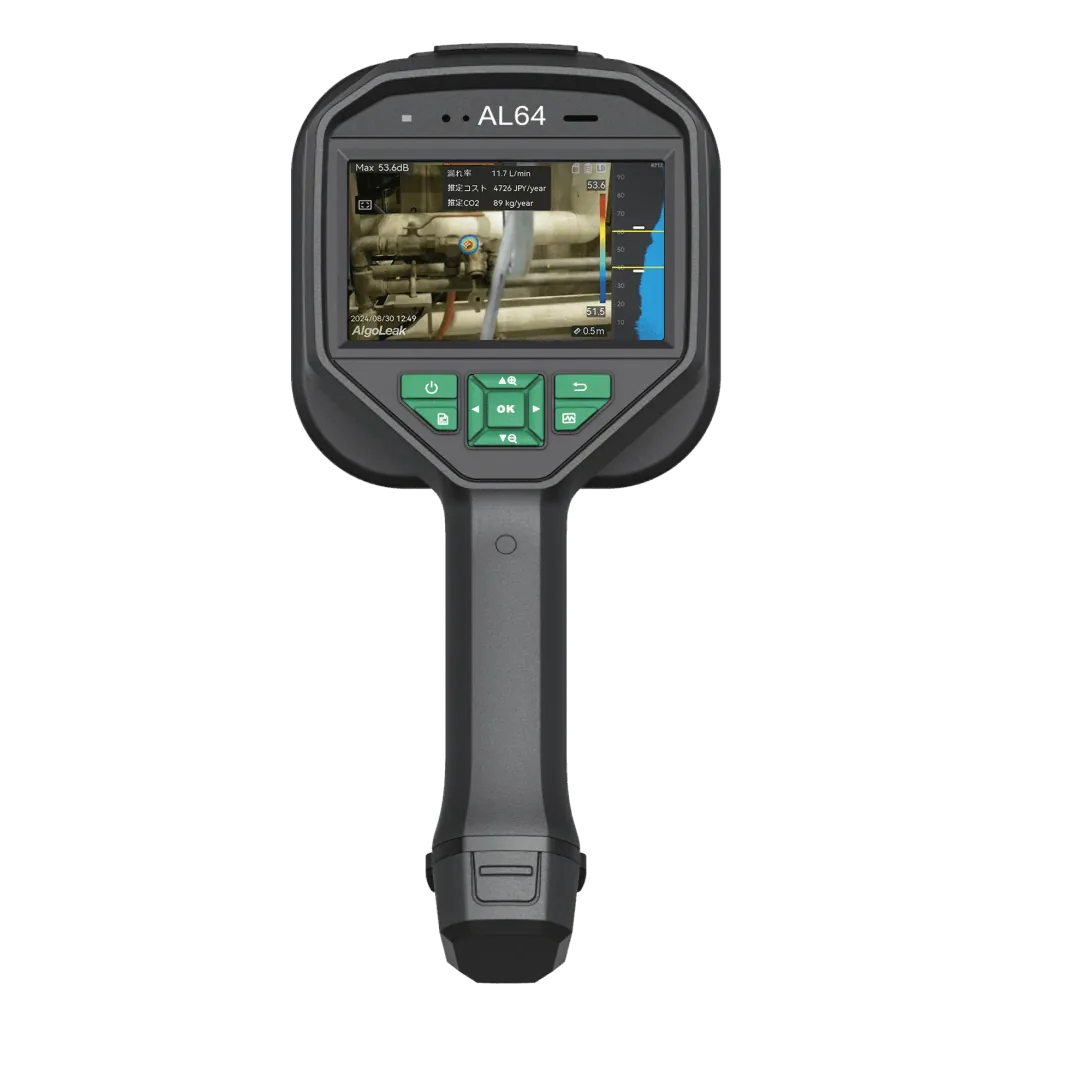
Acoustic Camera ALGOLEAK AL64
Power on and point / 940 g lightweight handheld / Made in Japan
- Red heat-map automatically pinpoints leaks (no expertise required)
- Leak volume, loss cost, and CO2 displayed live on screen
- Detection range 0.3 m – 150 m / minimum 0.008 L/min (6 bar, 0.5 m)
- Free LEAK ANALYZER software included / supports air leaks, partial discharge, and vacuum leaks
Turn leak data into reports with the free LEAK ANALYZER software
The free LEAK ANALYZER software bundled with ALGOLEAK AL64 turns recorded footage into automatic PDF reports. Leak volume, loss cost, CO2 emissions, and improvement-priority ranking come out in one click — ready to drop straight into internal approval documents or maintenance plans.

How to Check for Air Leaks (Beginner-Friendly) | Listening, Touch, and Soap-Water Basics
There are three main ways to check for air leaks: by ear and touch, with soap water (foaming liquid), and with an acoustic camera. This section walks through the basics anyone can start today.
Listening and Touch
First, listen carefully for "hissing" or "pshhh" sounds of escaping air. Pipe joints and equipment connection points are particularly prone to producing audible leaks, so check these areas closely.
Next, use your hand. Hold your palm near suspicious spots to feel the air flow or subtle pressure. The palm is very sensitive and can pick up tiny leaks invisible to the eye. Avoid direct contact with high-temperature piping or hazardous parts.
Soap Water and Foaming Liquid
For minute leaks that the senses alone cannot catch, soap water or a dedicated foaming liquid works well. Spray or brush a solution of water and neutral detergent (or soap) onto suspicious areas. Wherever air is escaping, bubbles appear, making the leak point visible. This method is especially powerful for catching leaks from threaded joints and fine cracks in welded seams.

Bubble Tester WZA-901 | High-Foam Leak Detection Liquid for Vertical Piping and Valves
Homemade soap water foams weakly and drips off, so it fails on vertical pipes, valve bodies, and the top of fittings — leaks are missed because the foam cannot stay in place. Bubble Tester WZA-901 is a high-foam thickened liquid that clings without dripping, producing continuous foam even at micro-leaks so the leak is clearly visible. It supports inverted spraying for narrow and low-clearance spots, and contains antibacterial and rust-inhibiting components that protect the piping during inspection. Made from food-additive-grade ingredients, it is safe for food factories and refrigerated trucks.
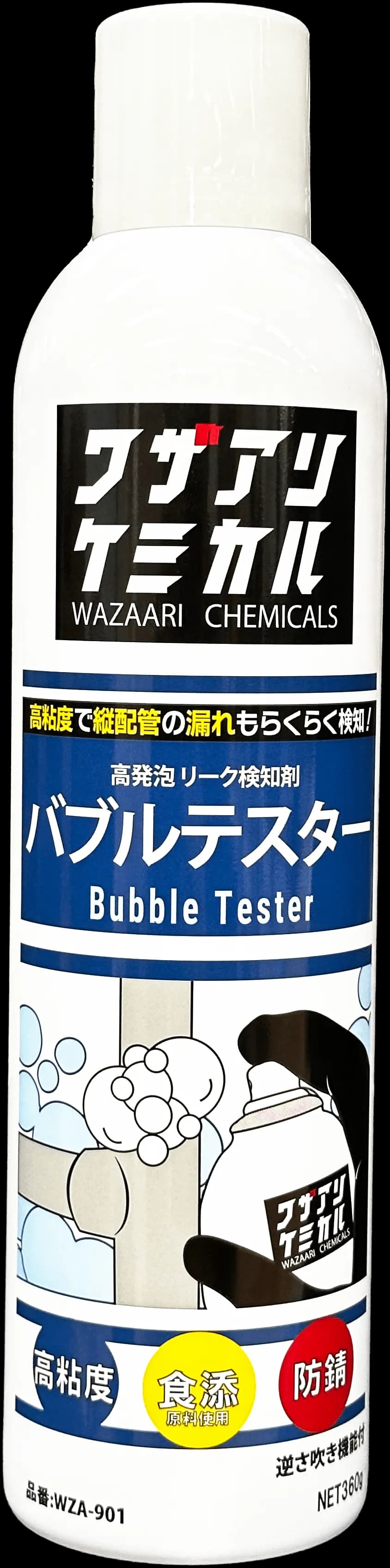
Bubble Tester WZA-901
High-foam, thickened / Antibacterial & rust-inhibiting / Food-additive-grade ingredients
- Thickened formula — foam clings to vertical pipes and valves
- Continuous foaming catches even micro-leaks
- Inverted-spray ready — works in narrow and low spots
- Food-additive-grade ingredients — safe for food factories and refrigerated trucks
Air Leak Inspection Tips | How to Check Efficiently
To inspect efficiently, familiarize yourself with the factory's piping layout in advance. Air leaks most commonly occur at pressure-reducing valves, various valves, couplers, and hose connections. Focusing on these high-risk areas lets you run effective inspections even with limited time.
Post-Inspection and Re-Check
When a leak is found, always re-verify after repair to confirm that the leak has fully stopped. Even if everything looks fine right after the fix, leaks can reoccur over time, so periodic re-inspection is also essential.
Master these basic verification methods and you will already be contributing significantly to factory energy-saving activities. Make early detection and prompt countermeasures part of daily routine.
Stop Leaks the Moment You Find Them | LEAKAID & LeakStopper
"Finding" a leak by itself saves zero yen — the next step has to be fast repair. AirMore offers two complementary repair materials matched to the leak's location and shape. Both can be applied without stopping the production line and stop the leak on the spot.
UV-Curing Acrylic Repair Material | LEAKAID
A one-component acrylic repair material that cures in about 1 second under UV light. Ideal for cracks, pinholes, and joint leaks — anywhere a shape-independent spot repair is needed. It bonds even on oil-wetted surfaces and complies with the Food Sanitation Act, so it can be deployed in food factories.

LEAKAID — UV-Curing Leak Repair Material
Cures in ~1 second under UV / Bonds on oily surfaces / Food Sanitation Act compliant
- Instant repair of pipe cracks, pinholes, and joint leaks
- Works on air, oil, water, and refrigerant leaks
- Bonds on oil-wetted surfaces (handles slow leaks)
- Food Sanitation Act compliant — usable in food factories
Silicone Self-Fusing Tape | LeakStopper WZT-901
A silicone self-fusing tape that stops leaks just by wrapping it on. No power, no tools — stretch and wrap, and the tape layers fuse to themselves instantly into a single sealed sleeve. It works on any leak you can wrap around: pipe joints, hoses, fittings, and more. Perfect for emergency response on site, night shifts, or long runs where UV-cure is awkward to apply.

LeakStopper WZT-901
Wrap to fuse / No power or tools required / High stretch, high durability
- Stretch, wrap, and the tape self-fuses into one piece
- Anyone can do emergency repair — no power or tools needed
- Ideal first-aid for pipes, hoses, valves, and fittings
- Extreme stretch conforms to complex shapes / durable and cost-effective enough to keep on hand
Find a leak with ALGOLEAK, then — depending on the shape — stop it the same day with either LEAKAID (spot) or LeakStopper (wrap). Pairing "detection" and "repair" shortens the lead-time of every leak countermeasure to its bare minimum, so energy savings show up the same day.
Air Leak Mechanism and Business Impact — What Facility Managers Should Know
Compressed air is a critical energy source for factory production equipment. Compressors compress atmospheric air, which is then delivered through piping to the factory's equipment. "Air leaks" are simply air escaping from piping, joints, hoses, and various components along this path.
Causes of Air Leaks | Where Leaks Commonly Occur
The most frequent leak locations are pipe connections — joints and flanges. Loose threads and deteriorated packing are common culprits. Couplers and quick-joints that get connected and disconnected daily are also chronic leak points.
Specific Business Impact of Air Leaks
Direct losses from wasted compressed air
What makes air leaks so insidious is that as long as the compressor is running and the pipes are pressurized, leaks keep going even when production lines are stopped. Lunch breaks, nights, weekends — none of that idle time is exempt, and compressed air keeps quietly draining away. A single 1 mm hole can waste roughly ¥100,000 of electricity per year.
Line-pressure drop degrades equipment performance
As leaks accumulate, internal pipe pressure falls below design values and production equipment stops performing at spec. A useful rule of thumb: raising pressure by just 0.1 MPa increases power consumption by about 7%.
Why leak countermeasures matter for energy savings and cost reduction
Of all energy-saving activities, air leak countermeasures deliver some of the highest ROI. Repair cost per leak is modest, but the energy savings are large. Fixing a single 1 mm leak can cut electricity costs by tens of thousands to hundreds of thousands of yen per year.
It also feeds straight into CO2 reduction — repairing a single leak point eliminates roughly 1 ton of CO2 emissions per year.
AirMore Products & Services for Discover → Repair → Continuous Management
Air leak countermeasures only deliver results when all three steps are in place: (1) Discover (inspection) → (2) Repair → (3) Continuous management. AirMore offers an integrated product and service lineup that covers all three.
① Discover: ALGOLEAK AL64 Acoustic Camera
64 MEMS microphones visualize leaks. Loss cost shown live on screen — repair priority decided on the spot.
② Repair A: UV-Curing LEAKAID
Cures in ~1 second under UV light. Perfect for spot-repairing pipe cracks and pinholes. Food Sanitation Act compliant.
② Repair B: Silicone Tape LeakStopper
Wrap to fuse — instant emergency repair for pipe connections and hoses, no power or tools required.
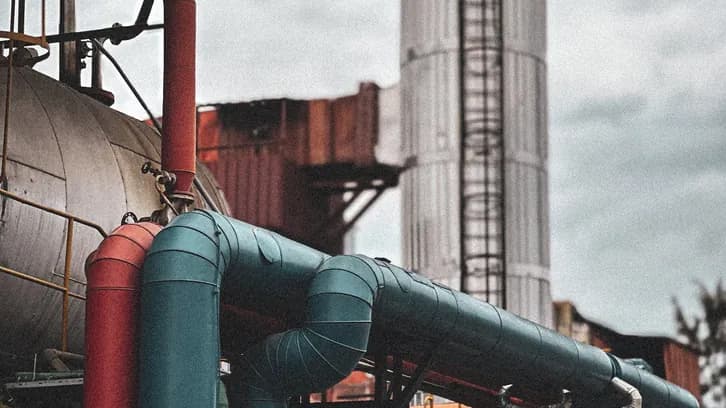
③ Diagnostic Service: On-Site by Pros
While your factory keeps running, we deliver a numerical report on leak locations, loss cost, and CO2 emissions.

④ Continuous Management: AirHub Visualization
Continuous monitoring of compressed-air consumption, cost, and CO2 — for relapse prevention and ongoing improvement.
+ Full Product Lineup
Acoustic cameras, valve diagnostics, repair materials, thermography, and more — see AirMore's entire product range.
View all products →From the Basics to Energy Savings — Complete Air Leak Countermeasures Guide
This guide has covered the entire spectrum, from air leak verification methods anyone can start using today, through professional-level energy-saving techniques powered by acoustic cameras and repair materials. Put these into practice on the shop floor and the cost and environmental impact reductions will follow. Steady, ongoing application is what produces reliable results.
AirMore Co., Ltd. is an air leak solutions specialist offering, in one stop, the ALGOLEAK AL64 acoustic camera, LEAKAID UV-curing repair material, LeakStopper silicone self-fusing tape, Bubble Tester foaming liquid, the air leak diagnostic service, and the AirHub compressed-air visualization system. Beyond the products featured in this article, our lineup spans thermography cameras, valve internal-leak diagnostics, additional repair materials, and more. Browse them by category from AirMore's full product lineup.